 Back
BackAzad Bharath
Ending Explained
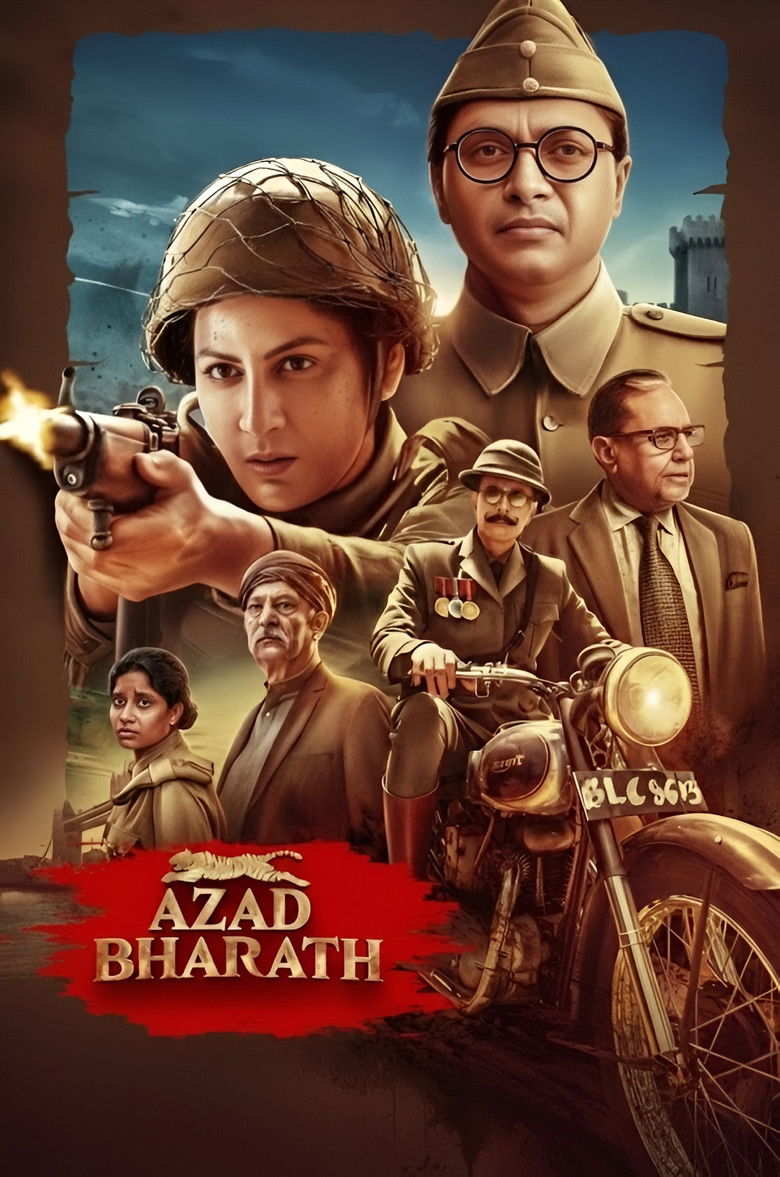
"Azad Bharath," directed by Roopa Iyer, is a cinematic exploration that resonates deeply with contemporary socio-political narratives while representing a vibrant tapestry of Indian culture.
Movie Stats
Movie Details
Genre Options
Similar Movies
Tags
Ending Explained
"Azad Bharath," directed by Roopa Iyer, is a cinematic exploration that resonates deeply with contemporary socio-political narratives while representing a vibrant tapestry of Indian culture.
Key Sections
The Final Sequence Breakdown
The final sequence of "Azad Bharath" is both powerful and poignant, serving as an emotional crescendo to the journey initiated at the film's start.
Themes and Symbolism
"Azad Bharath" is rich in themes that resonate with social justice, identity, and the quest for freedom.
Character Resolutions
In the final moments of "Azad Bharath," the resolutions of key characters are both satisfying and thought-provoking.
Unanswered Questions
While "Azad Bharath" delivers a compelling narrative, it also leaves viewers grappling with several unanswered questions that echo beyond the film's conclusion.
Introduction
"Azad Bharath," directed by Roopa Iyer, is a cinematic exploration that resonates deeply with contemporary socio-political narratives while representing a vibrant tapestry of Indian culture. The film, released in 2026, unfolds the gripping tale of individuals who strive for freedom and justice in a society marred by corruption and oppression. As the narrative weaves through intense conflicts, poignant relationships, and personal sacrifices, it captivates audiences with its layered storytelling and rich character arcs. The film builds towards a climactic finale that leaves viewers contemplating the broader implications of its themes. The ending of "Azad Bharath" serves as a culmination of the various moral dilemmas faced by its characters, while simultaneously housing deeper philosophical questions about freedom, identity, and the burdens of history. In this analysis, we will break down the final sequence, explore the prevalent themes and symbolism, delve into the resolutions of key characters, and engage with the lingering unanswered questions that provoke thought long after the credits roll.
The Final Sequence Breakdown
The final sequence of "Azad Bharath" is both powerful and poignant, serving as an emotional crescendo to the journey initiated at the film's start. It revolves around a confrontation between the film's protagonist, Arjun, a passionate activist, and the oppressive regime represented by the antagonist, a politically corrupt leader named Rao. As Arjun gathers support from fellow activists, the climax unfolds during a public rally, an event laden with tension and hope. Visually, the sequence is striking; Iyer employs high-contrast lighting and rapid cuts to evoke urgency and chaos. As Arjun delivers a stirring speech underscored by intercut visuals of the masses rallying behind him, the moment is rife with dramatic irony: a deeply entrenched system seeking to quash the voice of the people. This juxtaposition of hope against oppression is palpable, culminating in a shocking act of betrayal that sends shockwaves through the crowd and strikes deeply at Arjun’s conviction. The climactic standoff, characterized by a brutal confrontation between Arjun's supporters and the regime's forces, is not merely a physical battle but a metaphorical one as well. It symbolizes the collective struggle against systemic oppression. The ending challenges viewers to consider the price of freedom and the cost of standing up for justice amidst chaos.
Themes and Symbolism
"Azad Bharath" is rich in themes that resonate with social justice, identity, and the quest for freedom. One of the primary themes is the **quest for identity**, particularly as it pertains to the characters' personal struggles against societal expectations. Arjun’s journey of self-discovery parallels that of the nation as a whole, exploring the idea that true freedom involves not only external liberation but also an internal awakening. The film employs rich symbolism throughout—most notably, the use of the river that runs through the city. The river represents a duality of life; it's a source of sustenance and a conduit of purification, reflecting the struggle between hope and despair. As the story progresses, we see recurring imagery of water to signify the flow of ideas and the enduring strength of the human spirit. The **theme of sacrifice** is also prevalent, especially in the film’s closing moments when Arjun is forced to confront the moral implications of his actions. The sacrifices made by characters for a collective cause underline the idea that change often comes with personal cost. Iyer illustrates that true change is rarely achieved without profound struggle, a message that resonates powerfully within contemporary movements for social justice.
Character Resolutions
In the final moments of "Azad Bharath," the resolutions of key characters are both satisfying and thought-provoking. Arjun emerges as a symbol of resilience, but not without scars—both physical and emotional—illustrating that the fight for freedom deeply impacts individuals and communities alike. His disillusionment offers a stark reminder that the battle for justice is ongoing and fraught with complexity. Another significant character is Maya, a young journalist whose evolution represents the voice of the new generation. Her resolve to document the events and be a witness to history positions her as an important figure in the narrative. By the end, she chooses to amplify Arjun's message, embodying the theme of advocacy and the responsibility of the media in a democratic society. Rao, the antagonist, is a representation of the entrenched systems of power. His fate in the film—portrayed as a desperate, clinging figure amidst his crumbling authority—illustrates the fragility of power. The resolution serves as a reminder that those who oppress will inevitably face accountability, hinting at a possible future where justice prevails.
Unanswered Questions
While "Azad Bharath" delivers a compelling narrative, it also leaves viewers grappling with several unanswered questions that echo beyond the film's conclusion. The film opens a dialogue on the true nature of freedom: Is it simply the absence of oppression, or must it also include the societal structures that foster equality? Another lingering question revolves around the concept of collective versus individual action. Can one person's sacrifice truly lead to systemic change, or does real transformation require widespread participation? The film teases the notion that while individuals may lead movements, it is the collective will of the people that solidifies change. Lastly, the fate of Arjun and his supporters brings forth questions about the cyclical nature of rebellion. Will their victories breed new forms of oppression, or will they inspire a sustained movement towards democratic principles? The film leaves these questions open-ended, inviting viewers to contemplate the ongoing struggle for justice.
Frequently Asked Questions
5 questionsA1: The primary theme of "Azad Bharath" revolves around the quest for identity and freedom, highlighting the personal and societal struggles against systemic oppression.
A2: The film is directed by Roopa Iyer, known for her impactful storytelling and exploration of social issues.
A3: At the end of the film, Arjun emerges as a resilient figure but grapples with disillusionment and the reality of the ongoing struggle for justice.
A4: The film employs the imagery of a river to symbolize the duality of life, hope, and the flow of ideas, reflecting the characters' struggles and journeys.
A5: Yes, the film leaves viewers with questions about the nature of freedom, the role of individual versus collective action, and the cyclical nature of rebellion and oppression. In conclusion, "Azad Bharath" serves as a poignant commentary on the fight for justice and the complexity of human relationships within the struggle for freedom. Through its thought-provoking narrative and intricate character developments, it inspires reflection and discussion long after the story has concluded.